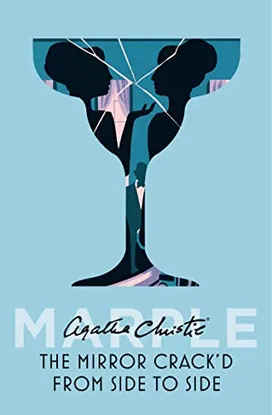
The Mirror Crack’d From Side to Side
by Agatha Christie
Started 15 December 2018 · 240 pages
At a party at a film star’s new home in St Mary Mead, a guest is poisoned, and Miss Marple pieces together what the star saw that made her freeze.
About the book, from Open Library. Get the book.
16 highlights · page in the margin
- p. 1
Old Laycock then displayed his particular genius which was that of enthusiastic agreement and subsequent lack of performance.
- p. 3
You could blame the war (both the wars) or the younger generation, or women going out to work, or the atom bomb, or just the Government—but what one really meant was the simple fact that one was growing old.
- p. 14
The new world was the same as the old. The houses were different, the streets were called Closes, the clothes were different, the voices were different, but the human beings were the same as they always had been. And though using slightly different phraseology, the subjects of conversation were the same.
- p. 45
After all, England always has one fine hot week in the summer and there is always one day that the Sunday papers publish articles on How to Keep Cool, How to Have Cool Suppers and How to Make Cool Drinks.
- p. 52
‘One has to dare if one wants to get anywhere,’ said Mrs Bantry.
- p. 53
‘Houses are like everything else. There comes a time when they’ve just had their day. This has had its day. It’s been given a face lift, but I don’t really think it’s done it any good.’
- p. 60
She was a very kind woman and she was always doing things for people. And she was always quite sure she knew the best thing to do. What they thought about it wouldn’t have mattered.
- p. 63
‘She didn’t know at all,’ said Miss Marple slowly, ‘what the world was like. She didn’t know what people were like. She’d never thought about them. And so, you see, she couldn’t guard against things happening to her.’
- p. 113
We are fortunate indeed if we can achieve a life of quiet content, affection, and serene and sober happiness.
- p. 139
‘Children feel things, you know,’ said Miss Marple, nodding her head. ‘They feel things more than the people around them ever imagine. The sense of hurt, of being rejected, of not belonging. It’s a thing that you don’t get over just because of advantages. Education is no substitute for it, or comfortable living, or an assured income, or a start in a profession. It’s the sort of thing that might rankle.’
- p. 175
I’ve always gone on the principle that where women are concerned there are as good fish in the sea as ever came out of it.’
- p. 192
She did the worst thing to me that anyone can do to anyone else. Let them believe that they’re loved and wanted and then show them that it’s all a sham.’
- p. 239
‘There are things that are preferable to academic distinctions,’ said Dermot. ‘One of them is knowing when a man wants a whisky and soda and giving it to him.’
- p. 275
people like Heather Badcock (and like my old friend Alison Wilde), are capable of doing a lot of harm because they lack—not kindness, they have kindness—but any real consideration for the way their actions may affect other people. She thought always of what an action meant to her, never sparing a thought to what it might mean to somebody else.’
- p. 278
She had a great power of love and hate but no stability. That’s what’s so sad for anyone, to be born with no stability. She couldn’t let the past go and she could never see the future as it really was, only as she imagined it to be.
- p. 280
‘He said: “She has a lovely face; God in His mercy lend her grace, The Lady of Shalott.”’